Our Blog

Tips for a Braces-Friendly Thanksgiving

November 26th, 2025

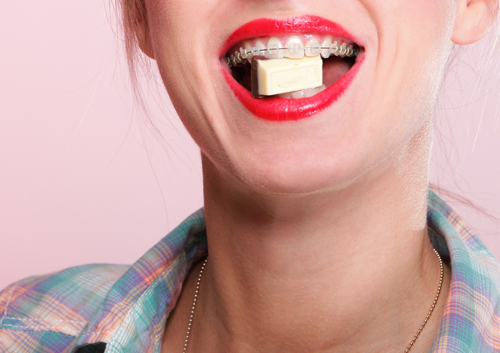
If it’s your first Thanksgiving dinner with braces, you might be a bit nervous. After all, broken brackets and wires can take the fun right out of feasting! 

Thankfully, we can help make your holiday meals more enjoyable with some menu tips for braces-friendly foods. 

#1 Be Choosy about Snacks

Thanksgiving is often more than one meal—it’s a whole day of nibbling. Just be sure to enjoy snacks which are safe for your brackets and wires while you wait for the turkey to make its appearance. Avoid foods like crunchy raw vegetables, nuts, popcorn, and chips, which can be hard on your braces. Instead, go for the softer selections on the appetizer tray:

  • Sliced and cubed fruits
  • Soft breads 
  • Deviled eggs
  • Spreadable or thinly sliced cheeses
  • Meatballs
  • Thinly sliced, soft deli meats

#2 Tweak Tradition as Needed

Some items on the traditional menu can be enjoyed as is, and some can be safely eaten with just a bit of tweaking. 

  • Creamy mashed potatoes and gravy are good to go
  • Soft-cooked vegetables are easy on braces and filled with nutrients
  • Turkey and ham are safe if you cut the meat from the bone and into bite-size pieces
  • Choose jellied cranberry sauce instead of crunchy versions
  • Stick to the soft, non-crunchy parts of dressing or stuffing and add some gravy for moisture
  • Enjoy rolls and bread without nuts or hard crusts

#3 Don’t Forget Dessert!

Luckily for us, many of our favorite Thanksgiving desserts are easy on braces. Delicious, braces-friendly choices include:

  • Pumpkin pie
  • Cheesecake
  • Apple pie with ice cream 
  • Soft cakes
  • Puddings
  • Soft truffles

Which desserts should wait until you’re finished with your orthodontic treatment? Nutty and chewy desserts and candies like pecan pie and caramels can cause loose or damaged braces, so it’s a “No, thank you” this year to the sticky, crunchy, and chewy items on the dessert buffet.

#4 Good Dental Hygiene Doesn’t Take Holidays Off

Holidays are busy, with shared meals and travelling and get-togethers in Fresno, CA. But it’s still essential to make time for proactive dental care, especially now that you wear braces. 

Food which gets stuck in your brackets and wires isn’t just annoying, it’s also bad for your tooth enamel. When food sticks around, the bacteria in plaque use those sugars and carbs to create acids which erode teeth and lead to cavities. And since Thanksgiving day is often filled with nibbling on foods high in sugars and carbs, your teeth might need some extra TLC throughout the day.

  • If you’re home, brush and floss as usual after eating. If you’re travelling, bring a kit with a travel-size toothbrush and toothpaste and some floss to keep your braces and teeth clean and your breath fresh throughout the day. 
  • If you’ve been eating acidic foods, wait about 30-60 minutes to brush. Acids weaken enamel temporarily, and, until the enamel rehardens, brushing can be abrasive.
  • Hydrate with water. Water helps wash away food particles from teeth and braces and helps neutralize enamel-damaging acids in foods like cranberry sauce and sodas.

The team at Kubo Orthodontic Group wants you to have a wonderful holiday with family and friends while you’re on your way to a beautiful, healthy smile. If you have any questions on just which foods should and shouldn’t be on your menu this Thanksgiving, talk to Dr. Robert Kubo and Dr. James Kubo to discover the best ideas for stress-free holiday feasting.

Find Out how Your Diet can Cause Cavities

November 19th, 2025

Sometimes food that’s good for your body isn’t necessarily the best for your teeth. Dr. Robert Kubo and Dr. James Kubo and our team want you to know which healthy foods can harm your teeth and gums, and what steps you can take to continue enjoying these foods, even when you’re dieting.

When you begin to substitute empty calories with whole foods, make sure you also remember to focus on your dental health. The majority of people tend to switch out sugary foods in favor of fruits and vegetables when they diet.

It’s worth knowing that most fruits are highly acidic and composed of natural sugars. Some of the highly acidic fruits to watch out for include apples, grapes, strawberries, pineapples, blueberries, oranges, and grapefruit. Moderation is key here, as with all other things. Fruits can be a great source of energy to help you through your day, but try not to overdo them.

Often, people also incorporate more leafy greens into their diets, which mean plenty of salads. Salad dressing is another item you’ll want to watch out for. Many dressings are filled with vinegars and sweeteners that include harmful acids, which change the pH of your mouth. When your mouth shifts from alkaline to acidic, your smile also turns to a higher risk for erosion and decay.

Rather than get rid of these foods altogether, simply change what you do after you eat them. Rinse your mouth out with water, brush your teeth, or eat alkalizing foods after consuming these acidic foods. Healthy alkalizing foods include dairy products such as eggs and yogurt, or any type of vegetable.

If you have questions regarding your current diet and its effect on your oral health, please contact our Fresno, CA office and speak with a member of our staff. If you’ve begun to make changes in your diet toward a healthier lifestyle, we hope these tips can help your make positive changes to your oral health. Our team at Kubo Orthodontic Group wants a healthy lifestyle to be a top priority in your life.

Will my child benefit from early orthodontic treatment?

November 13th, 2025

According to the American Association of Orthodontists, orthodontic treatment for children should start at around age seven. Dr. Robert Kubo and Dr. James Kubo can evaluate your child’s orthodontic needs early on to see if orthodontic treatment is recommended for your son or daughter.

Below, we answer common questions parents may have about the benefits of early childhood orthodontics.

What does early orthodontic treatment mean?

Early orthodontic treatment usually begins when a child is eight or nine years old. Typically known as Phase One, the goal here is to correct bite problems such as an underbite, as well as guide the jaw’s growth pattern. This phase also helps make room in the mouth for teeth to grow properly, with the aim of preventing teeth crowding and extractions later on.

Does your child need early orthodontic treatment?

The characteristics and behavior below can help determine whether your little one needs early treatment.

  • Early loss of baby teeth (before age five)
  • Late loss of baby teeth (after age five or six)
  • The child’s teeth do not meet properly or at all
  • The child is a mouth breather
  • Front teeth are crowded (you won’t see this until the child is about seven or eight)
  • Protruding teeth, typically in the front
  • Biting or chewing difficulties
  • A speech impediment
  • The jaw shifts when the child opens or closes the mouth
  • The child is older than five years and still sucks a thumb

What are the benefits of seeking orthodontic treatment early?

Jaw bones do not harden until children reach their late teens. Because children’s bones are still pliable, corrective procedures such as braces are easier and often faster than they would be for adults.

Early treatment at our Fresno, CA office can enable your child to avoid lengthy procedures, extraction, and surgery in adulthood. Talk with Dr. Robert Kubo and Dr. James Kubo today to see if your child should receive early orthodontic treatment.

Tips for Cold and Flu Season

November 6th, 2025

It’s peak cold and flu season, a time to be especially conscious about your health. We have some suggestions to help you navigate this contagious time of year, with bonus tips for a healthy smile.

  • Wash Up! 

Bacteria and viruses can live for hours and even days on non-porous surfaces like doorknobs, phones, and keyboards. That’s why it’s so important to wash your hands before touching your mouth, nose, and eyes, before brushing and flossing, and before you cook or eat. Washing with plain soap and water will eliminate most germs.

Bonus Tip: Keeping your fingers away from your mouth does more than prevent the transmission of bacteria and viruses. Fingernail biting can damage brackets, wires, and even tooth enamel. Prolonged thumb or finger sucking can affect tooth and jaw alignment. Delicate gum tissue can be injured or infected by broken or dirty nails. If you’d like to break harmful oral habits, talk to Dr. Robert Kubo and Dr. James Kubo for suggestions.

  • Stay Hydrated

Hydration supports healthy skin, helps regulate blood pressure and body temperature, and is vital for digestion and other bodily functions. Proper hydration is also important for a healthy immune system and healthy mucous membranes, which will help you fight off colds and flu. Talk to your doctor about your ideal amount of daily hydration, whether from water, other fluids, or water-rich foods.

Bonus Tip: We also need to be hydrated to produce healthy levels of saliva. Saliva washes away food particles and bacteria from teeth and braces and helps neutralize enamel-eroding acidity in the mouth.

  • Eat Healthy Foods

A healthy diet is crucial for a healthy immune system, with foods such as lean proteins, fruits, vegetables, whole grains, and low-fat dairy products.

Bonus Tip: A balanced diet is good for your oral health, too! We need vitamins A and C for healthy gums and oral tissues, minerals like calcium and phosphorus to keep tooth enamel strong, and dairy products enriched with vitamin D, which enables our bodies to absorb the calcium we get in our diet.

What happens if you become ill despite your precautions? 

  • Reduce the Chance of Infecting Others

If you’re ill, you can help stop the spread of germs by limiting contact with other people, covering your mouth and nose when you cough or sneeze, washing your hands frequently, and cleaning the common surfaces in your house which harbor germs. 

Bonus Tip: Sharing isn’t caring when it comes to colds and flu. No matter how close you are to your family members or roommates, your toothbrushes shouldn’t be close at all. Let your brush air-dry in an upright position away from other brushes to avoid contamination. 

  • Be Choosy about OTC Medications 

If you take sugary cough or cold medications, brush or rinse afterward. Sugar-free cough drops are better for your teeth than sweet lozenges which bathe your enamel in sugar as you let them dissolve. 

Bonus Tip: Don’t bite into cough drops! You risk not only broken brackets and wires, but chipped and cracked teeth.

  • Keep Up with Healthy Habits

Be sure to keep hydrated, especially if you’ve been suffering from vomiting or diarrhea. Get the sleep you need to recover. Eat a well-balanced diet.

Bonus Tip: Stay on top of your dental hygiene and brush and floss as usual, with one caution. Vomiting brings up harsh stomach acids which weaken the mineral bonds keeping tooth enamel strong, so brushing right away can be abrasive. If you throw up, rinse your mouth with water and wait 30 minutes before brushing to allow your enamel to come back to full strength.

  • Stay Home When You’re Sick

You’ll get better faster with proper care, which includes getting the rest you need to recover. And you won’t be sharing germs with the people around you.

Bonus Tip: If you have an appointment scheduled with your orthodontist, reschedule if necessary. Your orthodontic team at Kubo Orthodontic Group will be happy to accommodate you to prevent the spread of germs and to make any procedure a more comfortable one.

It’s the height of cold and flu season in Fresno, CA, but you’re not alone! Talk to your doctor about immunizations and other preventative measures. If you do become ill, follow your physician’s recommendations. And if you have any orthodontic concerns, your orthodontic team is prepared with timely advice—at any time of year.

Kubo Orthodontic Group
(559) 438-7600 6315 N Fresno St Suite 101
Fresno, CA 93710

Office Hours

  • Monday: 8:00am to 5:00pm
  • Tuesday: 8:00am to 5:00pm
  • Wednesday: 8:00am to 5:00pm
  • Thursday: Closed
  • Friday: Closed
  • Lunch daily from 12:00pm to 1:15pm